Thinking about buying a trailer? Great, but before that, you should know how to find the best trailers Australia for your everyday job.
It’s not just about size and capacity. Instead, it’s about your needs, what you transport, your usage frequency, storage space, and the protection your cargo needs.
For some, an open trailer offers everything they need. For others, an enclosed trailer offers better security, weather protection, and storage.
Choosing the right one means more convenience. Choosing the wrong one means more maintenance, struggle, and potential risks. So how do you find the right one?
Let’s discuss that in detail in this blog.
What Is the Difference Between Open and Enclosed Trailers?
Open Trailer:
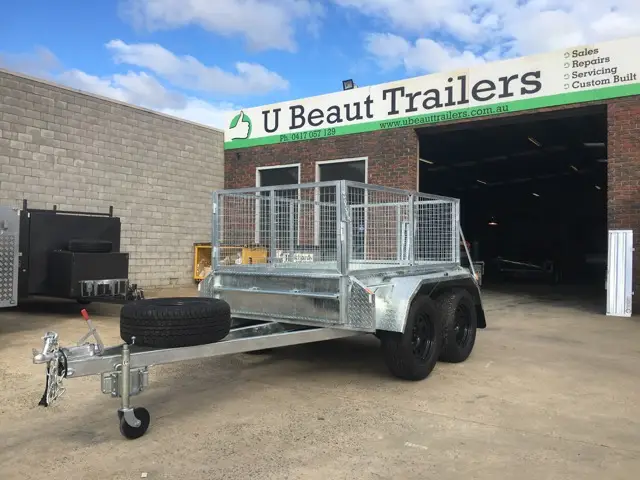
These trailers have an exposed loading area with a flat deck or low sides. This structure allows easy access and works well for transporting building materials, garden waste, machinery, and bulky items.
Enclosed Trailers:
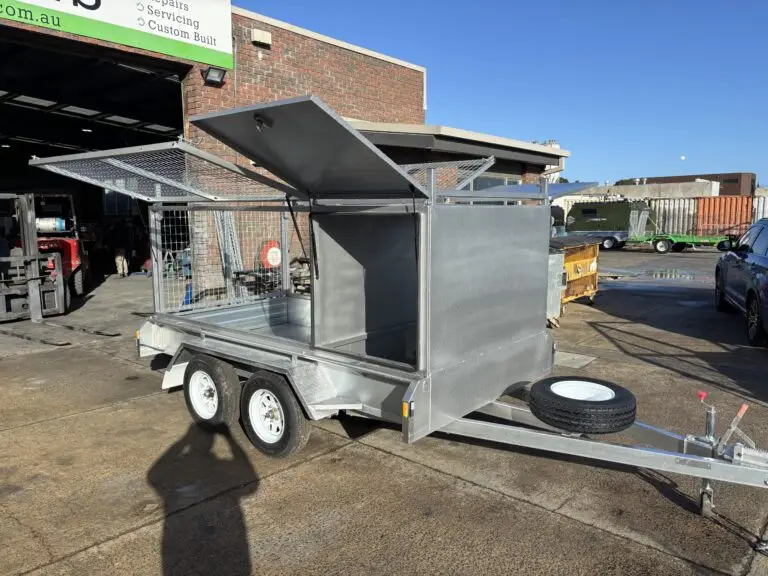
These trailers have walls, roofs, and strong doors. They protect your cargo from weather, dust, road debris, and unwanted attention. They also work as mobile storage spaces.
Open trailers offer ease & affordability, while enclosed trailers offer protection and security.
Open Trailers: Benefits, Limitations, and Best Uses
Open trailers are a great choice for homeowners, landscapers, builders, and transport operators.
Why Should You Choose an Open Trailer?
Easy loading and unloading:
You can access the cargo from the sides & rear. This makes loading & unloading very easy for users.
Lower upfront cost:
Open trailers are generally more affordable than enclosed trailers. Plus, they have fewer structural components, making them easier to clean and maintain.
More flexibility:
These trailers can carry unusually shaped items.
Potentially higher payload:
An open trailer often weighs less than an enclosed trailer. Means you save more for each transport. However, you must check the rated limits.
What Are the Limitations?
Open trailers are not protected against rain, dust, sunlight, and road debris. Plus, people can easily see what’s inside, which may pose risks.
Best for:
- Garden waste
- Construction materials
- Landscaping equipment
- Household clean-ups
- General-purpose transport
Enclosed Trailers: Benefits, Limitations, and Best Uses
Enclosed trailers protect your cargo. They are better for transporting valuable tools, stock, or weather-sensitive equipment.
Why Should You Choose an Enclosed Trailer?
Better weather protection:
Enclosed trailers offer better weather protection. It keeps the cargo dry and blocks dust & road debris. This is extremely useful for items such as electronics, vehicles, & metal tools.
Improved security:
They feature lockable doors and solid walls that increase a layer of protection against theft.
Organised storage:
You can customise it with shelves, storage bins, tool racks, and suitable tie-down systems, making it more organised & efficient.
Business branding:
An enclosed trailer can boost your branding with your business name, logo, and contact details. This can support brand visibility and may attract more business.
What Are the Limitations?
Enclosed trailers are costlier and can weigh more than open trailers. Plus, they have extra surface area, increasing wind resistance and fuel consumption.
Best for:
- Tradespeople
- Mobile workshops
- Event equipment
- Motorcycles,
- Valuable tools
- Goods that need protection during transport.
Open vs Enclosed Trailer: A Quick Comparison
| Feature | Open Trailer | Enclosed Trailer |
| Purchase price | Generally lower | Generally higher |
| Weather protection | Limited | Better protection |
| Security | Cargo remains visible | Lockable storage |
| Loading access | Usually easier from multiple sides | Depends on doors and ramps |
| Oversized cargo | Often easier to accommodate | Limited by internal dimensions |
| Payload | Often higher for comparable rated trailers | May be lower due to added weight |
| Cleaning | Simple for dirty loads | Requires interior cleaning |
| Business branding | More limited | Large branding surfaces |
| Best suited for | General hauling and bulky loads | Valuable or weather-sensitive cargo |
Which Trailer Is Better for Australian Conditions?
If you are looking for Australian made trailers, consider the weather first. Australia sees heavy rain, strong sunlight, and dust. Plus, long-distance travel can affect both your cargo and your trailer.
- If you regularly transport equipment between job sites, choose an enclosed trailer.
- If you want to use the trailer for landscaping, construction, and waste removal, choose an open trailer.
But here is what experts from U beaut Trailers suggest:
Compare the construction quality, corrosion protection, suspension, braking system, and availability of their parts. Plus, check door seals, roof joints, and ventilation in case of an enclosed trailer.
The idea is to focus on functions, not appearance.
What Should You Check Before Buying a Trailer?
Regardless of which one you choose, consider these five factors first:
- Rated Towing capacity
- Payload capacity
- Construction quality of the trailer parts such as lights, chassis, tyres, etc.
- Maintenance and support from the manufacturers.
- Compliance with Australian road vehicle standards.
If you are searching for Trailer manufacturers Australia always ask for written specifications and reliable after-sales support. Remember, the best trailers Australia are those that match your usage, towing vehicle, and budget.
Should You Buy or Hire a Trailer?
If you seldom use a trailer, choosing trailers hire Melbourne may be a better deal for you. Hiring a trailer means you can rent a trailer for 1-2 days and return it back to the owner. This saves you money since you don’t have regular jobs for it.
Buying a trailer only makes sense if you regularly transport or have professional needs.
However, before asking for trailers hire, confirm the dimensions of the vehicle, towing limit, policies, and insurance needs.
What about Flat Top and Tandem Trailers?
Flat top trailers and Tandem trailers show different construction features.
Flat top Trailers provide an open, flat loading platform. They are good for carrying bulky materials, machinery, and loads.
Tandem Trailers have two axles and are good for heavier loads or applications that need wheel support. However, this actually depends on the trailer’s ratings, suspension, tyres, and other components. Two axles don’t mean heavier load capacity.
Conclusion:
If you are looking for the right trailer type for your job, note this.
Open trailers offer affordability, easy loading, and flexibility. Enclosed trailers offer security, weather protection, and custom storage. However, they are costlier than open trailers.
Before you buy, think about your transport, usage frequency, and budget. Compare your payload, towing compatibility, quality, and maintenance, and part availability.
Remember, the best trailers offer convenience, safety, and legal protection to you & your job.
FAQs:
1. What are the different types of trailers?
Open trailers, enclosed trailers, flat top trailers, box trailers, and tandem trailers are the most common types of trailers used in Australia.
2. How do I choose the right trailer size?
First, measure the maximum weight and size of your cargo, vehicle’s capacity, and use frequency. Based on these, choose the right trailer size for your job.
3. What should I look for when buying a trailer?
Check the build quality, payload capacity, towing compatibility, braking system, tyres, warranty, and compliance of trailers for Australian roads.
4. Are Australian-made trailers a good choice?
Australian-made trailers are good for local roads as they offer reliable construction, suitable specification, available parts, and local after-sales support.