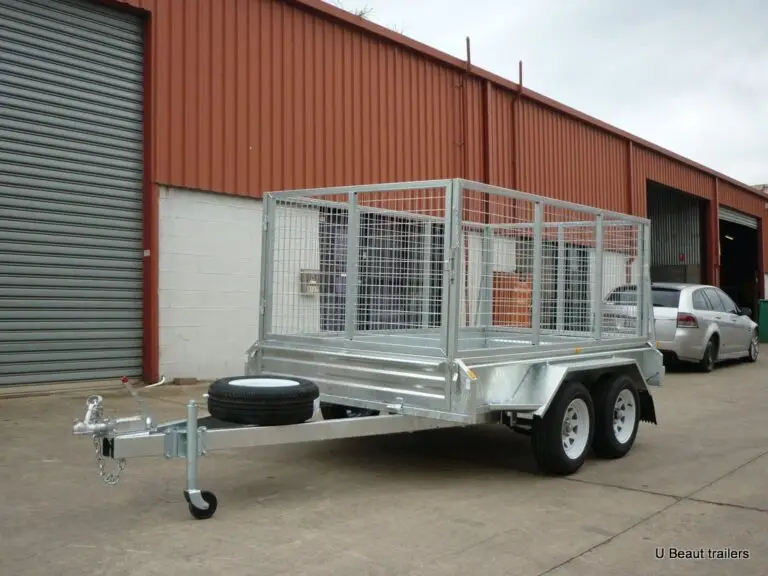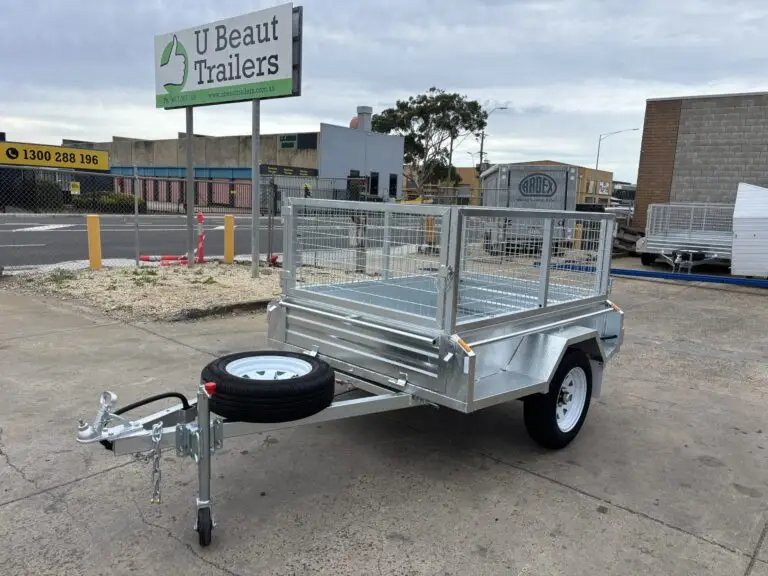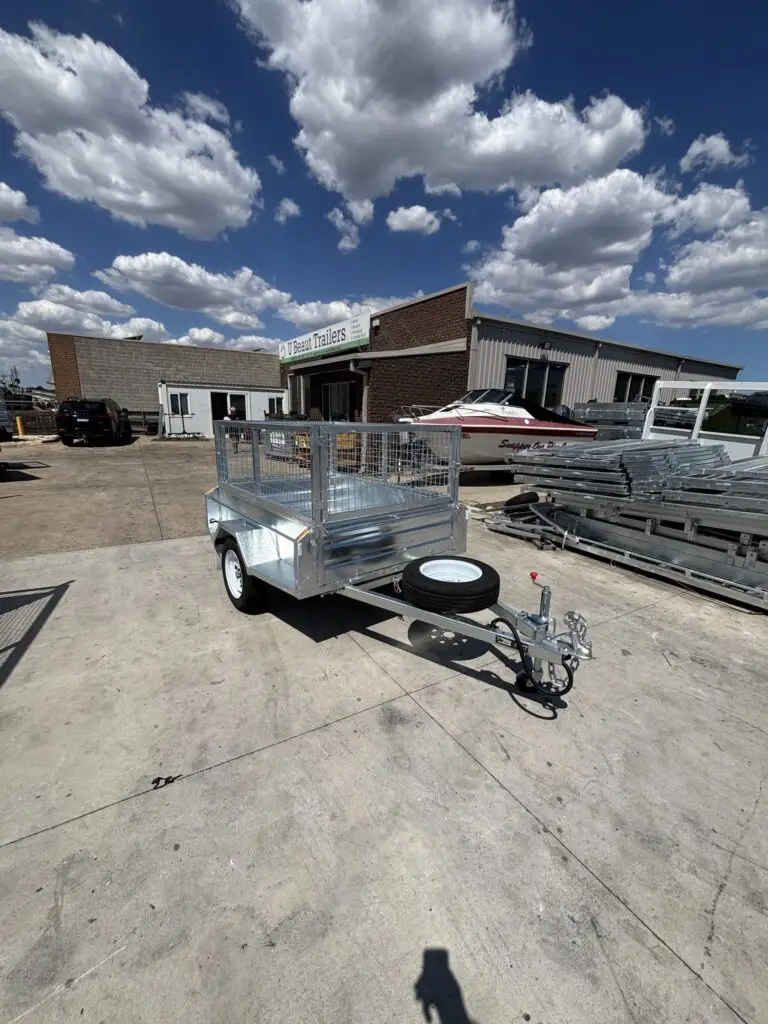

When you are about to buy a trailer, what should you really look for? Yes, the type, design, size, and price. But there is one more important factor that people often miss.
PAYLOAD CAPACITY.
Whether you are searching for a trailer to transport building materials, gardening equipment, machinery, vehicles, or landscaping supplies, you must check for the right Payload Capacity of the trailer, understanding the right weight range it can carry. It is always a smart decision to consider when connecting with a trailer manufacturers Australia.
But how does it actually help you to boost efficiency?
What Is Trailer Payload Capacity?
Payload Capacity refers to the maximum weight of cargo that a trailer can carry safely. Notably, it doesn’t include the weight of the trailer itself.
But to understand it in depth, let’s discuss some technical terms:
Tare Mass:
The weight of an empty trailer.
Aggregate Trailer Mass (ATM):
The maximum permitted mass of the fully loaded trailer, including the weight supported by the towing vehicle’s coupling.
Payload Capacity:
The difference between a trailer’s ATM and its tare mass.
ATM – Tare Mass = Payload Capacity.
For example:
Tare mass = 600 kg
ATM = 2,000 kg.
Then, Payload Capacity = 2,000 kg − 600 kg = 1,400 kg
Now, how does it actually help your business?
1. It Helps You Choose the Right Trailer for Your Work:
Every job has different load needs. A small box trailer is good for household projects, but a landscaping business may need heavy machine transportation.
Insufficient payload capacity means it can waste fuel, increase travel time, and affect productivity.
For example: If you need to transport 1,200 kg of materials:
- A 600 Kg payload capacity trailer will need a minimum of 2 trips.
- A 1500 Kg payload capacity trailer will need only 1 trip.
Note: A custom trailer can make this system more efficient.
2. It Improves Road Safety
Payload Capacity is not just for efficiency. It also ensures safe towing every time.
Overloading the trailer causes excessive stress on its chassis, axles, tyres, suspension, and coupling. This directly affects the braking performance and towing stability of the trailer.
You may often see easy sway, poor responses, and excess strain on towing vehicles. When uneven, it can get worse.
Always check for towing capacity, towbar rating, and Gross Combination Mass (GCM), tyre and axle ratings for your vehicle.
3. It Can Reduce Operating Costs
The right payload capacity makes a significant difference to your daily operating costs. How?
Suppose you need to transport materials, tools, or equipment between several sites; your first aim would be saving time and moving more cargo per trip. Following the right payload capacity allows you to balance the load size and travel time.
But remember, bigger is not always better.
Big trailers often have higher purchase prices, fuel consumption, service cost, replacement part, maintenance, and tow.
There, the best trailers Australia are those that offer a perfect match to your actual workload.
4. It Protects Your Trailer from Unnecessary Wear
Every trailer has limits, and exceeding them every now and then can cause wear way earlier than expected.
Excessive weight puts extra stress on the suspension, wheel bearings, tyres, axles, and chassis. This leads to frequent breakdowns and increases maintenance costs.
A suitable payload capacity trailer makes all processes smooth. According to the trailer repairs Melbourne specialists, addressing the weight problem earlier can save thousands of dollars and increase the trailer lifetime.
However, a higher payload doesn’t mean durability. It severely depends on the quality of the trailer’s construction.
5. It Helps You Find the Right Trailer Type:
Different trailer designs suit different weight limits. Knowing the payload limit also helps you find the right type of trailer for your job.
Box Trailers:
General-purpose transport such as household items, tools, garden waste, and smaller equipment.
Tipper trailers.
Tipper trailers are good for unloading loose materials such as soil, sand, gravel, and green waste.
Plant and machinery trailers
Good for carrying equipment such as excavators, mowers, and compact machinery.
Custom-built trailers
Custom Trailers can help businesses with specialised equipment or unusually shaped cargo.
Why Build Quality and Australian Manufacturing Matter?
Payload Capacity is not just about the size of the trailer. It is directly dependent on the chassis, axles, suspension, tyres, wheels, drawbar, and coupling that give the trailer the right power.
Hence, the manufacturer’s design and construction standards become super important considerations for a buyer.
When you are about to buy Australian Made Trailers, ask about:
- Capacity
- materials
- Component specifications
- Warranty
- Suitability
If you are researching trailer manufacturers Australia, compare the technical specifications more than the ad promotions.
Looking for perfect customised trailer solutions? Choose UBeaut Trailers for it.
Whatever brand you buy, make sure to consider the actual payload rating, manufacturer’s documentation, and service availability first.
Payload Capacity Matters When Hiring a Trailer Too:
It’s not always practical to buy a trailer. Instead, you can just rent it for specific needs. But in this case too, you should check the Payload Capacity.
It can save your rent costs, keep the trailer safe, and reduce the time.
When you compare trailer hire options, consider these factors for choosing the correct trailer:
- Weight of everything you want to transport.
- Trailer’s payload capacity.
Then confirm that the trailer can legally and safely tow everything.
For the right trailer hire Melbourne services, check:
- Tare mass
- ATM
- GTM
- Permitted payload
- Braking system
- Vehicle compatibility requirements.
Ensure every factor before finalising the deal.
How to Calculate the Payload Capacity You Need?
Follow these simple steps for choosing the right payload capacity.
Step 1: List your cargo, including tools, machinery, materials, attachments, etc.
Step 2: Calculate the total weight.
Step 3: Allow for future requirements.
Step 4: Check every weight rating, such as ATM, GTM, tyre, axle ratings, etc.
Step 5: Secure the load correctly.
Conclusion:
Payload capacity refers to the total towing weight a trailer can carry safely. But it also influences your efficiency, the quality of jobs you complete, the number of trips you need, your fuel consumption, and your costs.
Before you choose an Australian Made Trailers, compare all the options out there and consider the following factors:
- Build Quality
- Trailer type
- Maintenance support
- Towing limits of your vehicle.
Consider Payload Capacity, type, and all other requirements. Remember, the right trailer is the one that promises safety, reliability, and efficiency.
FAQs:
1. How do you calculate a trailer’s payload capacity?
Subtract the Tare Mass from Aggregate Trailer Mass (ATM) of the trailer to get the Payload Capacity.
2. What happens if you overload a trailer?
Regular overloading can damage your trailer’s equipment, reduce performance, affect stability, and increase maintenance costs.
3. How do I choose the right payload capacity for my trailer?
Calculate the total weight of the cargo. Then choose a suitable trailer while considering all ATM, GTM, axle, tyre, and vehicle towing limits.
4. Does a higher payload capacity mean a better trailer?
No. The right trailer depends on your workload, cargo weight, towing vehicle, and budget. Also, consider build quality, specifications, safety, and maintenance support