
Trailers are essential across a huge range of Australian industries — transport, machinery, trades and business supplies — making heavy loads easier and more efficient to move. But one of the biggest decisions when buying is whether to go with a standard trailer or a custom build.
Standard trailers are great for common tasks, but for specific requirements they’re not always the best fit — hauling oversized machinery, for example, needs a trailer built for the space and load. Here’s how to decide.
Understanding standard trailers
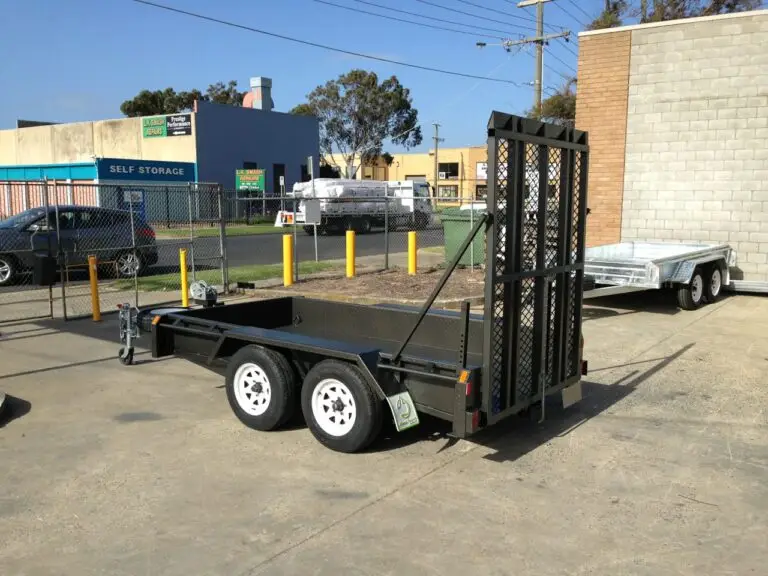
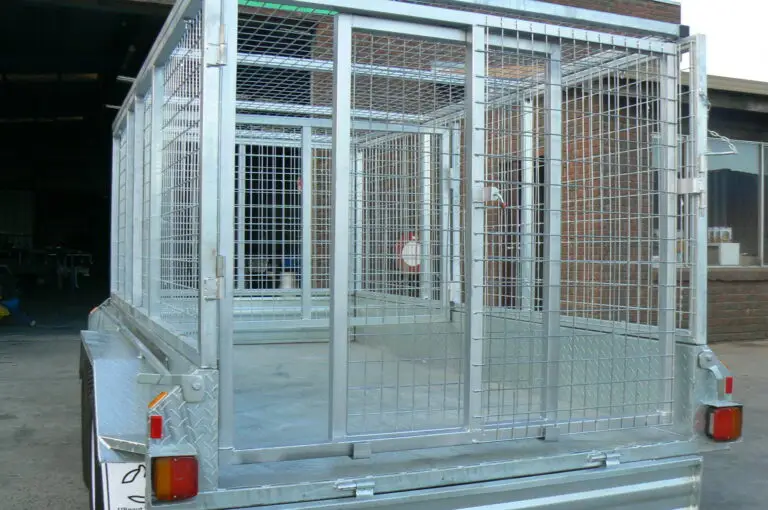
Standard trailers are pre-designed, in fixed sizes and configurations, built to meet common transport needs and readily available from dealers and manufacturers — box trailers, flatbed trailers, car trailers, utility trailers and cage trailers. Because they’re mass-produced, they’re affordable and ideal for general-purpose work where you don’t need special features. They just may not suit a business with specific needs.
Read more: How to Clean a Galvanised Trailer to Make it Shine
What are custom trailers?
Custom trailers are designed and built for a specific job — your workload, your equipment, your transport needs. A custom trailer can include specific dimensions, increased load capacity, special storage compartments, custom ramps, toolboxes, hydraulic systems, enhanced safety features and specialised tie-down points. Businesses across Australia rely on custom builds for efficiency and the safe transport of valuable equipment.
Signs you need a custom trailer
1. Your equipment doesn’t fit standard sizes. If you move heavy machinery, construction gear or special vehicles that don’t fit a standard trailer, don’t force it — that’s unstable and risky. A custom build ensures proper weight distribution, secure loading, better stability and compliance with transport regulations.
2. You have unique business requirements. Different industries need different things:
| Industry | Requirement |
| Landscapers | Tool storage |
| Electricians | Lockable compartments |
| Construction | Heavy-duty ramps |
| Event companies | Mobile storage solutions |
Modifying a standard trailer to suit can get expensive over time. With a custom build you design those features in from the start — more efficient and more professional.
3. You carry heavy loads often. Frequent heavy-duty work puts real stress on a trailer. If you regularly carry machinery, industrial equipment or large commercial loads, a custom trailer with a reinforced chassis, stronger suspension, upgraded axles and higher payload capacity reduces maintenance costs and improves long-term durability.
4. Safety is a priority. A poorly matched trailer can lead to load shifting, instability, accidents and equipment damage. Custom safety features — specialised tie-down systems, enhanced braking, non-slip surfaces, improved lighting and load-specific restraints — make transport safer for drivers and cargo.
When a standard trailer isn’t enough
Standard trailers work for standard or common tasks, but they fall short when business operations grow, equipment changes, transport demands increase or specialised cargo needs arise. In those cases a standard trailer means poorer performance and higher operating costs — and a custom trailer often works out more profitable over time.
Read more: Guide to Understanding Trailer Sizes and Their Uses
Benefits of choosing custom
Improved efficiency — a custom layout means faster, smoother loading and unloading, so your crew spends less time wrangling cargo. Better equipment protection — padded storage, secure locking, weather-resistant compartments and specialised mounting reduce damage in transit. Increased durability — built around your workload, custom trailers last longer and perform better in demanding conditions. Professional appearance — branding, custom finishes and tidy layouts present a polished image to your customers.
Industries that benefit most
Construction (excavators, scaffolding, generators, building materials), landscaping (mowers, trimmers, soil, plants and tools with dedicated storage), agriculture (machinery, livestock equipment, feed and supplies) and mining and industrial operations that need specialised solutions a standard trailer can’t provide.
Questions to ask before ordering a custom trailer
- What will you transport? List the equipment, materials and cargo you carry regularly.
- How much weight? Your load determines the right chassis, suspension and axle.
- How often will you use it? Usage helps you judge the investment.
- Do you need room to grow? Consider a slightly larger build for future demand.
- What safety features are required? Discuss these with your manufacturer up front.
Read more: How Do Hydraulic Tipper Trailers Work?
Finding the right manufacturer
Choose your manufacturer wisely — look for industry experience, high-quality materials, Australian compliance standards, strong warranties, custom-design expertise and excellent support. Compare the leading builders for long-term value before you commit.
Conclusion
A standard trailer is great for common, everyday transport. But for specialised equipment, heavy loads or unique operational needs, a custom build delivers greater value — better efficiency, safety, durability and a design that adapts to your business. Start by checking your needs, talk it through with a trusted builder like Ubeaut Trailers, and factor in where your business is heading.