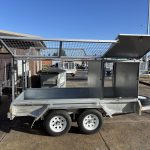


Transporting machinery and heavy equipment is a real deal because they are tough to handle and often meet with climate, road traffic, and rough journeys. So, how do you actually handle this? As we know, trailers are the right solution for such tasks. But the real question is WHICH ONE.
Choosing the right one is important because not all trailers are good for transporting heavy machineries and equipment. Plus, they must be transported with care and without damage. Choosing the right one becomes essential in such cases.
If you’re looking for one, this blog will help you with multiple options that you can use to complete your transportation.
Top 7 Best Trailer Options for Transporting Machinery and Heavy Equipment:
The transportation of industrial machinery is, in reality, a complex process that necessitates a durable and efficient trailer. Such a trailer can ensure the safe delivery of machinery and heavy equipment to its destination, preventing delays or damage during transit.
1. Standard Trailers :
A Standard trailer is an open-platform trailer that lacks side walls or a roof. This design allows for the easy loading and unloading of heavy machinery. These trailers are the ideal choice for transporting construction equipment and large shipping containers.
They are also suitable for transporting steel structures and pipes. Due to minimal height restrictions, these trailers allow for the transportation of oversized equipment. They serve as the optimal choice for long-distance transportation.
2. Customised Australian Made Trailers:
Australia made trailers are robust and durable units, distinguished by their exceptional longevity and the use of high-grade steel. These durable trailers are ideally suited for the transportation of heavy equipment, offering superior performance compared to other types of trailers.
While they may come with a higher price tag, investing in them yields significant long-term benefits. They are designed specifically with Australia’s rugged road conditions in mind, ensuring that transportation remains trouble-free.
3. Tandem Trailers:
Tandem trailers are equipped with two axles to enhance both load capacity and stability. This configuration facilitates the efficient transportation of heavy machinery and simplifies the process of achieving balanced weight distribution.
These trailers are capable of handling loads ranging from 3,500 to 14,000 pounds. They are characterized by their larger size and higher cost. Furthermore, their maintenance is more complex; consequently, repairs for Tandem Trailers may require more time and resources compared to single-axle trailers.
Read More – 12×7 Flat top Tandem Hydraulic Tipper Trailer 3500kg ATM, 3.5 Ton Ramps
4. Flat Top Tipper Trailers:
A Flat Top Tipper Trailer typically combines a flat platform with a hydraulic tipping system. In addition to transporting machinery, these trailers can also be utilized for dumping bulk materials. When purchasing one for heavy industrial equipment, it is essential to verify that the trailer possesses the appropriate load capacity to ensure smooth and uninterrupted transportation operations.
Flat Top Tipper Trailers are widely utilized within the construction industry, where they serve as a highly versatile and practical option.
5. Step Deck Trailers:
Step deck trailers feature two distinct sections-an upper deck and a lower deck-and are specifically designed to transport tall machinery. These trailers are highly useful for transporting large items, such as industrial equipment, agricultural tools, and construction machinery.
By utilizing ramps, heavy machinery can be loaded onto the trailer smoothly and efficiently. Step deck trailers are extensively used in heavy-duty operations.
6. Lowboy Trailers:
A lowboy trailer is a heavy-duty trailer utilized for transporting heavy and tall equipment. It is particularly well-suited for the easy transportation of tall machinery. With the aid of this trailer, you can effortlessly transport bulldozers and large-scale construction machinery.
While generally more expensive than other types of trailers, lowboy trailers are widely utilized in industries that handle oversized equipment. They are designed with strict adherence to safety standards.
7. Double Drop Trailers:
A trailer featuring two drop sections is known as a double drop trailer. Thanks to its lowered middle deck, it can easily transport oversized and tall equipment. The trailer consists of front, middle, and rear deck sections, making it particularly suitable for use in the construction and mining industries.
Its high load capacity enables the safe and secure transportation of heavy equipment. Furthermore, it offers excellent stability and balance during transit.
Tipper Trailer VS Standard Trailers:
| Feature | Standard Trailers | Tipper Trailers |
| Design | Open flatbed with no sides or roof | Flat platform with hydraulic tipping mechanism |
| Primary Use | Transporting heavy machinery, containers, steel pipes | Hauling and unloading bulk materials like gravel, sand, soil |
| Unloading Method | Ramps, forklifts, cranes; manual securement | Hydraulic tilt for effortless dumping, no manual labor |
| Load Capacity | 46,000-48,000 lbs; oversized height clearance | 20-70 tons depending on axles; high-volume bulk |
| Best For | Long-distance machinery haulage, construction equipment | Construction sites, mining, farming bulk transport |
| Versatility | Tall/oversized loads; weather-exposed | Dual-purpose: transport + dump; wheeled equipment ramps |
Key Trailer Selection Factors:
Transporting machinery and heavy equipment requires both the availability of resources and proper planning. To ensure the safety and cost-effectiveness of the transportation process, it is essential to select a suitable trailer.
Here are some factors you must consider while choosing the best trailer for transporting machinery and heavy equipment:
1. Equipment Specifications:
Examine the specifications of the equipment intended for transport. This includes factors such as weight, dimensions, shape, and center of gravity. This assessment will help you determine the necessary load-bearing capacity, type, and specific features required for your trailer.
2. Distance and Route:
The greater the transportation distance, the more you will require a trailer that offers enhanced durability and comfort features. It is crucial to select the right trailer to navigate specific road conditions, such as winding or narrow roads.
3. Legal and Regulatory Requirements:
For vehicles that are oversized or exceed specific weight limits, you may be required to obtain special permits from government authorities. Before purchasing a trailer for machinery and heavy equipment, familiarize yourself with local and state road regulations.
Also Read More – Guide to Understanding Trailer Sizes and Their Uses
Conclusion:
In this blog, we have discussed the various types of trailers suitable for transporting heavy machinery and equipment. The goal is to keep them safe during the complete journey and deliver them in the same state without a single damage. Check the list above and use the key factors before choosing the right trailer for transportation.
But before all, find reputed and experienced brands like U beaut trailers – one of the top trailer manufacturers in Australia to get personalised quotes and a wide range of trailers for all requirements.
Also Read About – How to Clean a Galvanised Trailer to Make it Shine?
Mechanical vs. Electric Brakes – Which One’s for Your Braked Trailer?
Buying A Hydraulic Tipper Trailer: What You Need To Know