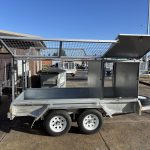


Buying a trailer may look simple, but the wrong choice can create long-term problems. Many first-time buyers feel confused because there are many types, sizes, and features available. A trailer is a non-motorized vehicle that you attach to a car, truck, or utility vehicle to carry goods.
The selection of the appropriate trailer becomes essential because each trailer has distinct capabilities which enable it to perform different tasks. Understanding your options before purchasing a product creates essential value. Many trusted trailer manufacturers in Melbourne offer a wide range of trailers, but without basic knowledge, you may end up overspending or choosing the wrong model.
Here, we will discuss different types of trailers explained in simple terms for first-time buyers in detail that will help you to choose the best for you.
Key Factors to Consider Before Buying a Trailer:
Ignoring essential elements when selecting a trailer will result in operational problems and additional expenses for your business.
Here are the key factors you must consider before buying a trailer:
Load Capacity:
Load capacity tells you how much weight a trailer can safely carry. You should select a trailer which exceeds your typical weight requirements because this will protect against equipment failures and security issues.
Size and Dimensions:
The size of the trailer should match your usage. A small trailer may not fit your goods, while a large one can be hard to manage and park.
Single Axle vs Tandem:
Single axle trailers offer basic functionality at low prices whereas tandem trailers provide enhanced stability and weight distribution for large loads. Your choice depends on how much weight you plan to carry.
Usage Purpose:
You should clearly define whether you need the trailer for personal use, business work, or heavy-duty tasks. This helps you select the right type and features.
Budget:
Your budget needs to be the first thing you check. You should choose between cheap and quality trailers because cheap trailers will result in expensive maintenance costs in the future.
Types of Trailers Explained:
Here are different types of trailers:
Box Trailers:
Box trailers are the most common and versatile type. The flat base and side walls of the containers enable users to transport tools, furniture and various items. The affordable box trailers with multiple uses has become popular among customers who want to purchase it.
Enclosed Box Trailers:
Enclosed box trailers provide complete protection through their solid construction. Their design protects valuable cargo against both weather conditions, dust particles and theft attempts.
Tandem Trailers:
Tandem trailers operate with two axles, which enhance both their stability and their capacity to carry loads. They serve as the optimal solution for operational requirements in both construction sites and commercial transportation activities. A tandem 10’x 6′ trailer is a popular choice for carrying large and heavy materials safely.
Flatbed Trailers:
Flatbed trailers possess an open layout that lacks both side panels and a top covering. They serve as the optimal solution for transporting oversized items that include machinery, wood and construction materials.
Car Trailers:
Car trailers exist as dedicated equipment for the purpose of vehicle transportation. The trailers include ramps together with strong support systems, which provide safe car transportation between locations.
Tipper Trailers:
Tipper trailers use a hydraulic system to lift and unload materials easily. They serve as the primary construction tool for transporting sand, gravel and construction debris.
Cage Trailers:
Cage trailers utilize mesh material on their sides, which allows them to create additional vertical space for carrying more items. They serve as the optimal solution for transporting garden waste, furniture and lightweight bulky objects.
Choosing the Right Trailer for Your Needs:
Trailer selection requires assessment of your intended usage and active locations. Your clearly defined requirements will help you make a successful purchase decision.
Here are the ways to choose the right trailer for your needs:
Personal vs Commercial Use:
For personal activities such as moving and gardening purposes, you should select a basic box or cage trailer. A business trailer needs to be constructed from materials that create strong and reliable equipment.
Frequency of Use:
If you use the trailer regularly, invest in a high-quality model with strong build and features. For occasional use, a basic trailer is enough.
Long-Term Value:
You should prioritize future advantages instead of present expense reductions. The durable trailer provides lower repair expenses and superior operational efficiency throughout its lifespan.
Also Read More – 9×5 Hydraulic Tandem Tipper with 400mm side 3500kg ATM 3.5 Ton
Common Mistakes First-Time Buyers Should Avoid:
Many first-time buyers make simple mistakes that lead to poor decisions. You can reduce expenses while saving work by not making these mistakes.
Here are some common mistakes first-time buyers should avoid:
Ignoring Load Capacity:
Many buyers choose trailers without confirming their maximum weight capacity. The practice creates material destruction and dangerous conditions.
Choosing the Wrong Size:
Some people buy trailers that are too small or too large. The situation creates issues which impact both handling and storage operations.
Focusing Only on Price:
The process of purchasing the lowest priced trailer usually results in acquiring a product with substandard quality.
Overlooking Build Quality:
Weak materials and poor design reduce durability. You should verify the product’s construction standards before making a purchase.
Not Checking Legal Requirements:
Different areas have rules for trailers. The failure to follow these rules will result in financial penalties and legal complications.
Maintenance Tips for Long-Term Use:
You should find the perfect box trailer for sale that handles everyday transport needs with ease. Your trailer will remain secure and operational for extended periods when you follow the appropriate maintenance procedures.
Here are the maintenance tips for long-term use:
Regular Checks:
The trailer needs inspection because its parts might sustain damage. The process allows for identification of minor issues which can be fixed before they develop into major problems.
Tyres, Brakes, and Joints:
The preoperational check requires that you inspect both brake systems and tire conditions and joint mechanisms. The design of these components protects users throughout their journey.
Proper Cleaning:
The trailer needs cleaning after every use because it helps stop rust formation. The surface gets damaged when dirt and moisture enter.
Lubrication:
You must maintain proper lubrication for all equipment components that require movement. The process enhances operational efficiency while extending equipment lifespan.
Safe Storage:
You must keep your trailer in an area which remains protected from moisture while being stored inside a shelter. The storage method protects the trailer from permanent damage caused by water exposure.
Also Read More – 12×7 Flat top Tandem Hydraulic Tipper Trailer 3500kg ATM 3.5 Ton , Ramps, 600mm cage
Conclusion
Trailers require selection based on specific needs which include operational requirements and transportation needs. The selection of trailer types between box trailers and tandem models leads to distinct operational results which create advantages for both safety and effectiveness throughout the trailer’s service life.
You will gain sufficient knowledge about various types, essential elements and typical errors which will enable you to make an assured choice. The best outcome for your investment requires that you select high-quality products while evaluating different options and purchasing from trustworthy vendors.
For a reliable and high-quality trailer, you must explore premium options from u beaut trailers and find the perfect box trailer. You will get durable, Australian-made trailers designed for both personal and commercial use.
Read More – Guide to Understanding Trailer Sizes and Their Uses
How to Clean a Galvanised Trailer to Make it Shine?
How Do Hydraulic Tipper Trailers Work?