
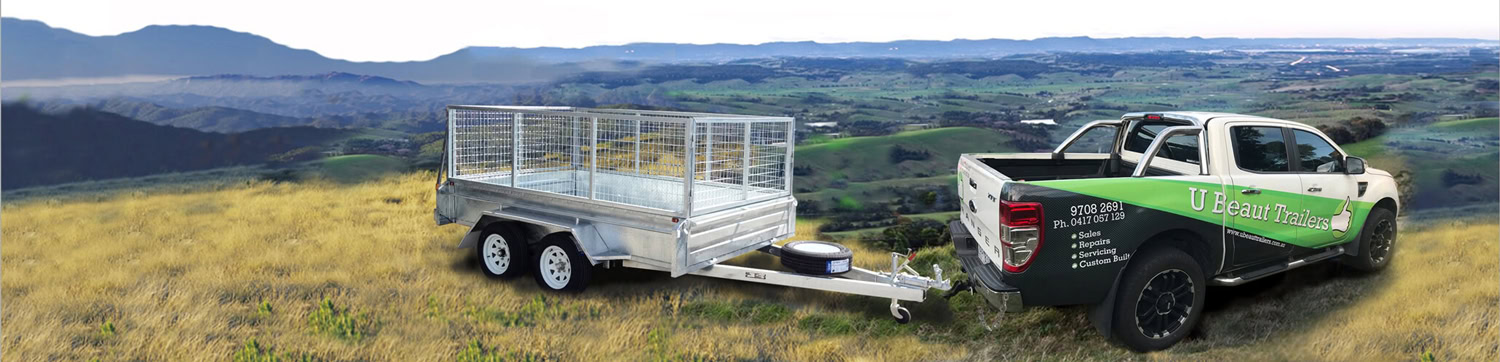

Have you ever stood beside a trailer and wondered, “Could this carry everything I need in one trip?” If that trailer were a flat top, the answer is probably yes.
The flat top trailers are popularly known as the Swiss-army knife of the towing industry, because they are open, accessible, and ready for almost any task. Flat top trailers– the versatile workhorses are popular across all industries. It doesn’t matter whether you talk about the agricultural industry, construction, events, or personal projects.
Whether you’re searching for a flat top trailer for sale or comparing different flat bed trailer options, understanding their capabilities is crucial. In this blog, we will cover all the areas and loads that a flat top trailer can carry without compromising on your cargo’s safety.
What Makes Your Flat Top Trailer Different?
A flat top trailer is not your regular trailer type. You must have seen enclosed, box-shaped trailers carrying goods on highways, but a flat top trailer is different. It does not have any walls, and no signs of a roof on top; it has an open deck that lets you load from any side with a forklift or ramps.
When you are not fighting four walls, or a roof height so tall, wide, and awkward that items are fair game. Many flat top trailer models now come with:
1. A detachable headboard and drop sides.
2. They have stake pockets, rope rails, and flush tie‑downs.
3. Multiple axle options with a heavy-duty suspension system.
4. Winch posts and integrated loading ramps.
This flexibility is what makes flat top trailers your go-to partner for mixed loads and changing workdays. For businesses looking at trailers Melbourne market, these features make flat top trailers particularly attractive.
So, What Can You Carry On A Flat Top Trailer?
1. Building Materials:
You can literally haul any material that is used for constructing or building anything. It can be timber packs, steel lengths, roof sheets, bricks, pavers, cement bags, plasterboard, doors, or windows. The long, flat deck of your flat top trailer keeps all your loads straight. Plus, the edge protectors plus ratchet straps prevent damage and movement.
2. Machinery And Equipment:
Doesn’t matter whether you have mowers, skid steers, mini‑excavators, scissor lifts, generators, compressors, or site toolboxes. A flat top trailer has the ability to carry each one of them easily.
However, make sure to use a proper ramp, a winch if there’s a need, and a chock or chain down wheeled equipment at four points.
3. Vehicles And Recreational Gears:
You can carry different vehicles and fun/leisure equipment on your flat top trailer. For instance, project cars you’re working on, all-terrain vehicles (ATVs), side-by-side utility vehicles, dirt bikes, jet skis, and small boats. Flat top trailers’ low-angle ramps and wheeled straps make it quite easier to load these. Plus, you can easily install a front stop or a winch post for better safety and control during loading.
4. Agricultural And Landscaping Loads:
Agricultural loads are not just about hay bales. It also includes feed bins, fencing rolls, irrigation pipe, fertiliser pallets, mulch, turf, and plants in cages, which a flat top trailer can carry with ease. The stake side of flat top trailers is a game changer; it helps the trailer contain loose or tall stacks while keeping loading fast. For those in agricultural work, a flat top tipper trailer can provide additional functionality for bulk materials.
5. Bulky Household And Commercial Goods:
From your house furniture, appliances, and shop fittings to office partitions and exhibition stands, a flat bed trailer can carry anything. However, to protect and secure them, you will need to cover them with blankets, wrap them, and strap them in an upright position. You can also use loadbars and temporary headboards to prevent your expensive items from drifting mid-journey.
6. Palletised Freight:
Palletised freight includes everything– from packaged food to hardware tools. The forklift feature of flat top trailers can side-load multiple pallets. For your good’s safety, just confirm whether the trailer’s deck dimension and axle rating are perfect or not. So that the weight is distributed evenly over the running gear.
7. Odd-Shaped Or Oversized Items:
When you own a flat top trailer, you can carry a wide variety of heavy, huge, and uneven items. For instance, CNC machine beds, water heaters, big timber slabs, stone countertops, and even modular sections of tiny homes. However, you need to make sure that the items sit flat on the deck and are within the prescribed legal limits.
(Also Read about- How Much Does It Cost to Hire a Trailer?)
How To Choose The Perfect Flat Top Trailer for Your Work?
Well, a single flat top trailer size won’t be a good fit for all your needs. So, think about what you will be hauling 80% of the time. However, make sure that it can carry your occasional larger or more challenging loads (20%) without being too big to use.
1. Deck Size:
Flat top trailers come with a common length of 8–20 feet. Owning a flat top trailer with a wider deck helps with pallets and machinery stance.
2. Axles And Brakes:
If your work requires transporting heavy loads, then go for a flat top trailers with a tandem axle. Don’t forget to opt for electric brakes with a quality controller in order to improve safety while stopping.
3. Tie-Down Ecosystem:
Having plenty of rated points allows you to load your goods not just fatly but also with proper safety.
4. Build Quality:
Make sure to verify whether your flat top trailer has sealed wiring, quality coatings, strong cross‑members, and properly rated components.
Conclusion:
Flat top trailers shine in the market because they don’t force your cargo to fit in a four-walled box– they have the ability to adapt to your needs. Doesn’t matter whether it’s pallets, projects, machines, or materials. Having a well‑specced flat top with the right accessories carries more types of loads, more safely, with less hassle. Once you get your sizing, tie‑downs, and loading plan perfectly ready, your one trailer becomes your go‑anywhere workhorse.


